

So, the question for many is how 2021 will look regarding workplace flexibility. Is it here to stay? What impact has this newfound “freedom” (somewhat ironic, as I write this amid lockdown 2.0) had on our mental health and work performance? Economically justified or simply an opportunity for us all to gain some semblance of a balanced work/home life?
Throughout October, Sal Partners gathered the opinions of our network from across continental Europe to shed some light on the topic.
In the eyes of the employee, the positives & negatives of flexible working and the associated health benefits. In comparison, the perspective from management; how has such a change impacted team engagement, productivity, staff retention and profitability?
PERCEPTION
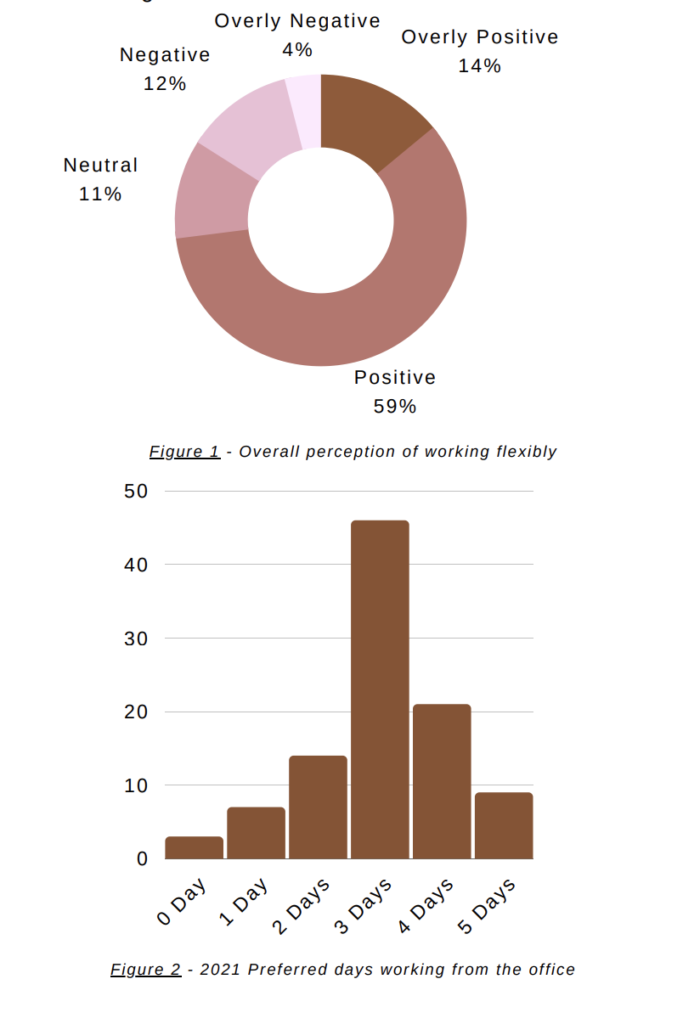
Whilst flexible working will always present various challenges for the employee, it is clear that most of our network reported an overall positive experience. (Figure 1). Looking ahead to 2021, most respondents said they would like to retain flexibility, with a return to the office three days per week being the most popular (Figure 2). Such a split is perhaps unsurprising given the intensity of what, for many, has been their first experience of flexible working.
ASSOCIATED BENEFITS
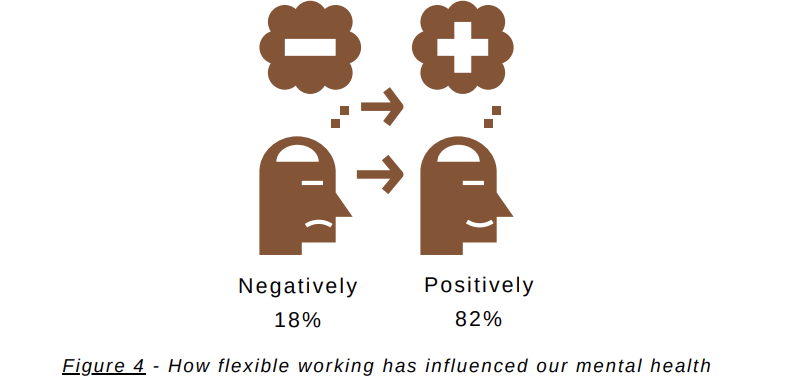
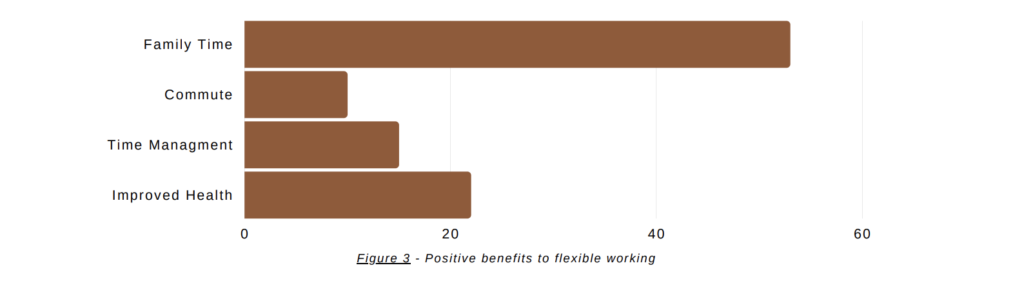
Flexible working has been shown to positively impact our lives in various ways, with our network citing improvements to their relationships and overall health (Figure 3). A greater feeling of independence and an ability to plan our day around other commitments not only gifts us more time but also helps improve our work-life balance, significantly influencing our mental well-being (Figure 4). Secondary to this are the reported health benefits; improved diet (brought about through proximity to the kitchen), more time for hobbies and the creation of a sleep schedule which aligns with our situation.
The rising costs of city living have led many of us to explore housing options outside the main metro areas; flexible working has helped make this possible. At a time when personal finances are being monitored closely, salaries can be stretched further. As a result, secondary cities and rural towns are gaining increased attention. A recent article by Dice, a US technology career platform, highlighted that many employees would be open to relocating out of the major cities (accepting the associated cost-of-living adjustment) with the reported benefits offsetting the salary decrease.
ASSOCIATED NEGATIVES
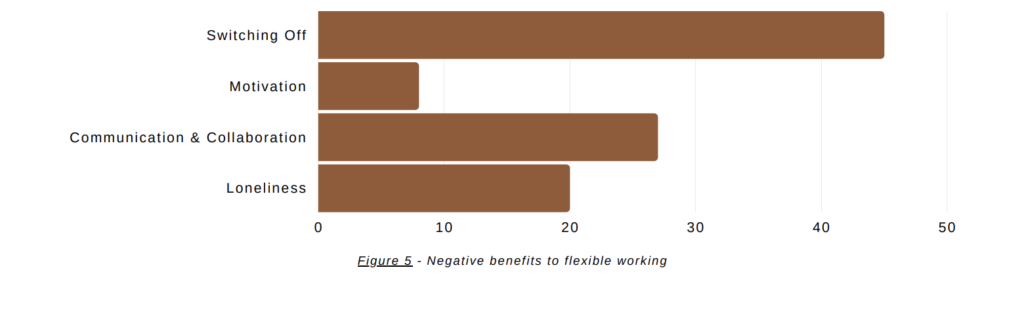
Sadly, it’s not all positive. Whilst we have all yearned for greater flexibility and a break from the historical office 9-5, the impact of COVID-19 and the subsequent lockdown meant we were thrown in at the “deep end”. Adapting to this new environment presented numerous challenges, unique for each of us (Figure 5). Technological advancements have enabled us to work flexibly, but it has also supported an “always-on” culture. An inability to “switch off” was our survey respondents’ number one reported negative. Flexible work has blurred the boundaries between our work and our personal lives. For the young couple, balancing childcare, homeschooling commitments, work performance and factoring in time with the family is a constant challenge. Many agree that our mental health has improved through more significant levels of flexibility; however, as lockdown progressed for a number of our network, this quickly reversed, with loneliness ranking highly. How does the single millennial living alone deal with only interacting with people through a monitor? Whilst these platforms, of course, offer positives (cross-functional collaboration) within a local context, they do not come close to face-to-face coffee and the benefits of those simple water-cooler moments. Unless managed correctly, we are at risk of drifting further from the all-important personal relationships which play an integral part in us all having a healthy, happy mindset.
LOCKDOWN LETHARGY
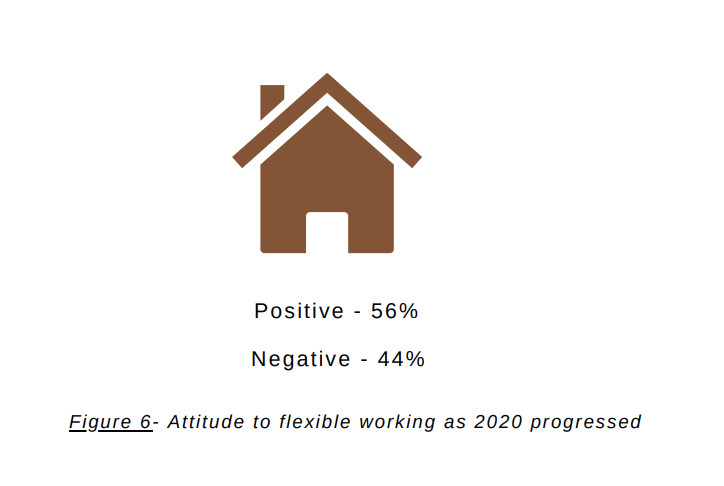
Whilst the overall feeling towards flexible working is positive, the vote was split when our network was asked how their feelings shifted throughout the lockdown (Figure 6). For many, this insight may not come as a surprise; however, it does highlight the need for a balanced approach to flexible working.
MANAGEMENT PERSPECTIVE
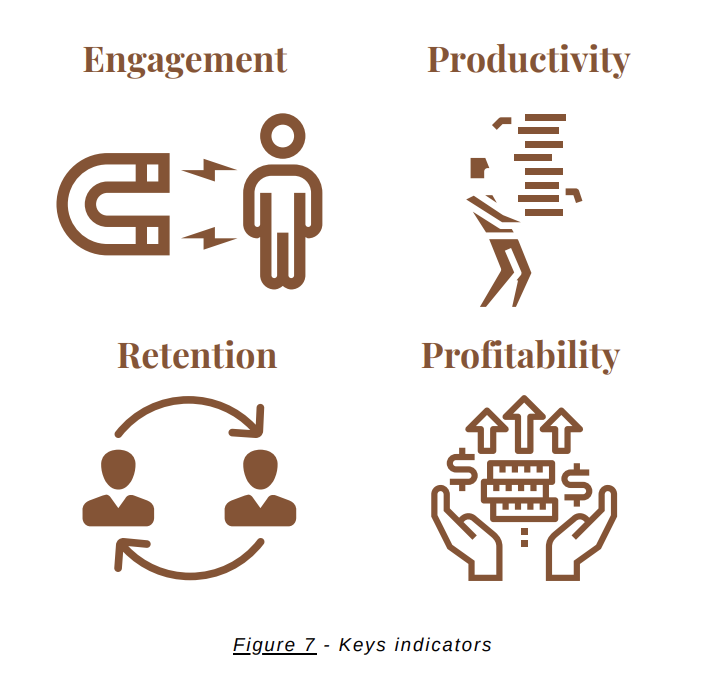
The question is simple: performance, staff retention and engagement; how have these been impacted, and how will they influence company profitability? In response – across all areas, our respondents reported either no change or an improvement (Figure 7). In support of this, a recent Harvard Business Review study completed in partnership with Ctrip (the Chinese travel website) stated that productivity increased by 13.5%, and engagement levels rose, which helped reduce staff turnover.
TALENT ACQUISITION
Looking to the future, it is clear flexible working will play a vital part in attracting talent. Employees will actively seek organisations offering flexibility levels as standard rather than something they have to push and negotiate for. Employers will also be able to benefit from a more diverse workforce. Candidates who have previously held off applying for a position (given the living costs associated with the main metro areas) can now do so.
HEADACHES
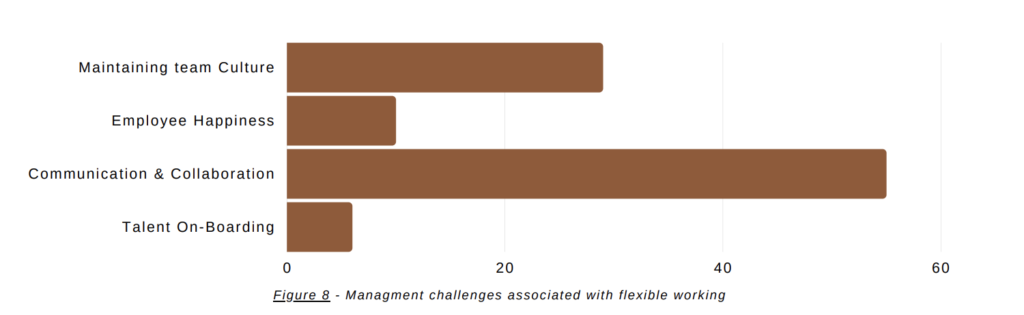
Figure 8 shows the variety of challenges tax leaders now face. How do we manage our team remotely, ensure clear lines of communication, and maintain team collaboration and a productive culture whilst attracting new talent? By removing face-to-face contact, communication levels will dip, teams will begin to break down, inefficiencies will creep in, and the mental well-being of our colleagues will fracture. Technology can help minimise such effects; however, we must adapt our management style. It is clear that whilst there are benefits (such as a reduction in overheads, staff retention and talent acquisition), there are clear risks which must be managed.
CONCLUSION
Once restrictions relax, we ask whether flexible working is here to stay, or will we all be craving a return to “normality”? In the eyes of economists and business leaders, can it truly improve performance, employee engagement, staff retention, and ultimately profitability? Based on the findings detailed within this report, the answer is clear. Flexible working will remain! Numerous trends are driving the flexible work conversation, and these trends, if anything, are getting stronger. People are happy with the trade-off that comes with the increased flexibility and its associated benefits in the knowledge that the 9-5 boundaries are no more in exchange!
Numerous trends are driving the flexible work conversation, and these trends, if anything, are getting stronger.”
By providing our workforce with increased levels of flexibility, when managed accordingly, (i) we help improve the mental health of our employees, (ii) the environment is positively impacted through a reduction in carbon emissions, (iii) team dynamics are improved through more significant levels of diversity (iv) we see a rise in employee satisfaction (v) a reduction in staff turnover and finally (vi) the urban-rural divide is reduced as organisations provide employees the autonomy to choose their place of work. Notably, no clear negative impacts have been recorded on the management indicators discussed within this report. However, a balanced approach must be in place to sustain such benefits. Get it wrong, our mental health will decline, teams will splinter, and errors will creep in. Looking to the future, the notion that we will need to work from one location full-time is even more old-fashioned than it is currently. Working from home has historically been viewed as a perk, whereas moving forward will be necessary. It will be vital for employers to get this balance right if they are to remain competitive in the talent market.